


Content warning: This article discusses rape and suicidal ideation.
The truth is, no one knows how they will react. I thought I would fight for them to get off of me, or scream for help if I experienced something like that.
But when it came time to act, I did nothing.
This February, I was raped. That reality is still difficult to come to terms with. That night constantly replays in my head.
I still struggle to remember everything, but some things are hard to forget. I’ll never forget the darkness, the pain, or the constant struggle as I tried to make him stop, which was ultimately unsuccessful. Eventually, I gave up. I stopped trying to get up only to be pushed back down, and I stopped trying to speak up only for my voice to be ignored. Instead, I remained still, just hoping it would end soon.
After that night, I continued to attend classes like normal, before finally accepting the gravity of what I’d experienced. Ever since that realization, I haven’t been the same. The next week, I shut myself off from everyone and stayed in my room, hoping the trauma would go away in a couple of days. That didn’t happen. My days were spent sleeping, eating microwaveable meals, and reliving every moment of that night.
By locking myself in my dorm, I hoped to avoid questions from those around me. I worried about what I would say if someone asked me what was wrong, and I was nervous about what their reaction would be if I told them the truth. So I held it in, only relaying vague information.
Though I successfully avoided people, I could not protect myself from reliving what happened that night while in my dorm. I can’t help but view my bed, which at one point made me feel safe, as the site in which terrible things were done to me. As hard as I tried, I couldn’t sleep. I was scared, and there was only one way I knew how to make that fear stop—to avoid living in reality.
For several days, I thought about ending my life. I blamed myself for everything that had happened to me. I believed that I had to be an awful person, as if bad things only happen to bad people. While wanting to be dead, I questioned everything about who I was and where I was in life. I lost interest in everything—I wanted to leave Georgetown, and I no longer wanted to attend law school. Each day, I watched as deadlines for assignments and internships went by, and I completed nothing. I wanted to—but I just couldn’t bring myself to do anything.
Once I realized that things were getting bad, I reached out to my dean, who connected me with the Sexual Assault, Relationship Violence, & Stalking Services team, who are part of the Health Education Services. After talking to on-campus resources, they encouraged me to tell my mom and sisters what had happened, since I had been carrying this alone for over a week.
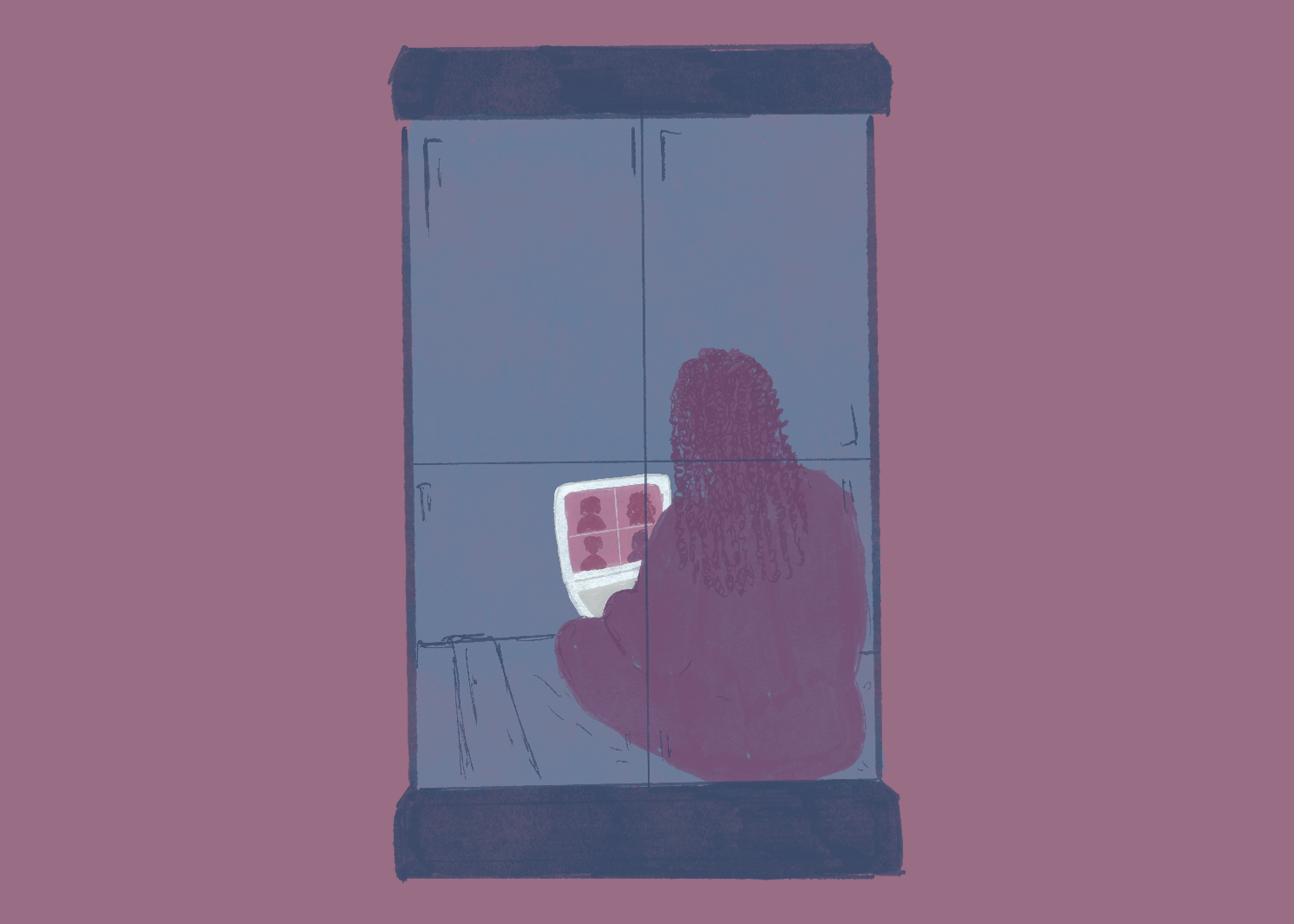
My mom always taught me to be careful, but I made a mistake when I trusted someone that I shouldn’t have. One evening when I was on a call with my family, I texted them a question: “If something bad happened to your family member but it was because they made a bad choice, would you address the bad choice or just be supportive?” Instead of answering the text, they repeatedly asked me what happened. I turned off my video camera, and with tears in my eyes and a breaking voice, I told them my story. All I could get out was that I had been raped, but that was followed by a long list of questions, which I answered. They weren’t upset with me, and it made me more comfortable telling others, so I did.
Though I was happy that I was finally able to open up to some people, I never wanted to answer any questions about what I planned to do next. All anyone seemed to care about was whether or not I’d be reporting him to the police, which was something I ultimately decided against. People told me that I had a responsibility to protect other people from being victims, and although I understood their point, I believe that it overlooked that I was a victim. I wanted to help others, but I didn’t know how to when I couldn’t even protect myself. I chose to remain silent to focus on my own mental health and getting back to where I was academically and socially, but that hasn’t happened yet.
The trauma I have as a result of that event isn’t something that will ever fully go away. Unfortunately, it has shaped me, and I don’t know how I feel about that yet. People often say things like “You’ll be a better person because of this,” but I don’t agree. This horrific thing didn’t need to happen to me for me to grow, and I will forever refuse to reframe what happened to me as a positive thing.
Being raped is extremely hard to grapple with. I am better mentally than I was a few weeks ago, but I still have my ups and downs. The hardest part in this healing process has been trusting myself and understanding that what happened doesn’t define me in any way. I will carry this pain with me for the rest of my life, but I am now working to move beyond being a victim, and finally being a survivor.
If you need help, you are not alone. Contact:
Georgetown Sexual Assault Response and Prevention Team: [email protected]
D.C. Rape Crisis Center 24/7 hotline: (202)-333-RAPE
Rape, Abuse, and Incest National Network (RAINN) 24/7 hotline: 1-800-656-HOPE