

I’ve spent a considerable portion of this semester in the margins of Google Docs. Suggesting mode has become a way of life. It is in this mode—and in every suggested em dash—that I have further immersed myself in the world of opinion journalism.
While journalism has been increasingly underfunded and undervalued, leaving communities undercovered, it seems opinion journalism has experienced a contradictory resurgence in popular culture. A controversial piece in The New York Times on liberal feminism in the workplace circled social media for weeks; The Washington Post’s lack of endorsement for the Harris campaign led to 200,000 canceled subscriptions; Vogue’s article titled “Is Having a Boyfriend Embarrassing Now?” has left many of my friends asking the same question.
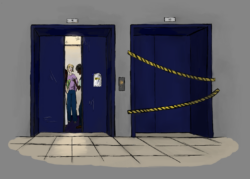
Over the past semester, the Voice’s opinion section—which is cleverly, yet confusingly, named “Voices”—similarly grew. Writers covered many corners of campus and District life: they dove into the Potomac, got comfortable with stupidity, questioned situationship culture, called out university labor practices, bought new jeans, resisted genocide and displacement through cooking, and gave endless advice. Each Tuesday evening, Voice-rs descend upon the office via the trusty Leavey elevators to discuss campus culture. The ensuing conversations are often boisterous enough that they could warrant a noise complaint (and catch the side eye of many a hallway dweller).
Beyond being entertaining and occasionally cult-like, the opinion section of student publications, at the Voice and otherwise, serve as a beating heart of campus life.
Forming a particularly alive archive, these stories live on well after authors and editors have graduated. They exist to tell us not just what happened, but how the writers themselves reacted, reflected, and made sense of it.
Take the Voice’s now graduated editor-in-chief, Connor Martin (CAS ’25), whose American Studies thesis on the lawsuits around LGBTQ+ students on Georgetown’s campus was born out of a news commentary he wrote freshman year and opinion pieces from The Hoya, The Voice, and The Indy. These stories live on; the opinions do too.
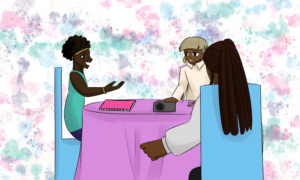
Opinions, as with most things, flourish in community. In editing chains and weekly meetings, the beliefs I hold so dear (often verging on personality traits) are challenged, reworded, and questioned. Why do I refuse to use generative AI? What is the root of consistent complaints about phone walkers and slow salad bar users? And when, oh when, will I stop talking about those damn elevators?
As I waxed on, I realized many of these opinions were, in earnest, born from my own complaining. My more glass-half-full co-conspirators, thankfully, reshaped my musings into reflections on community, connection, and even joy.
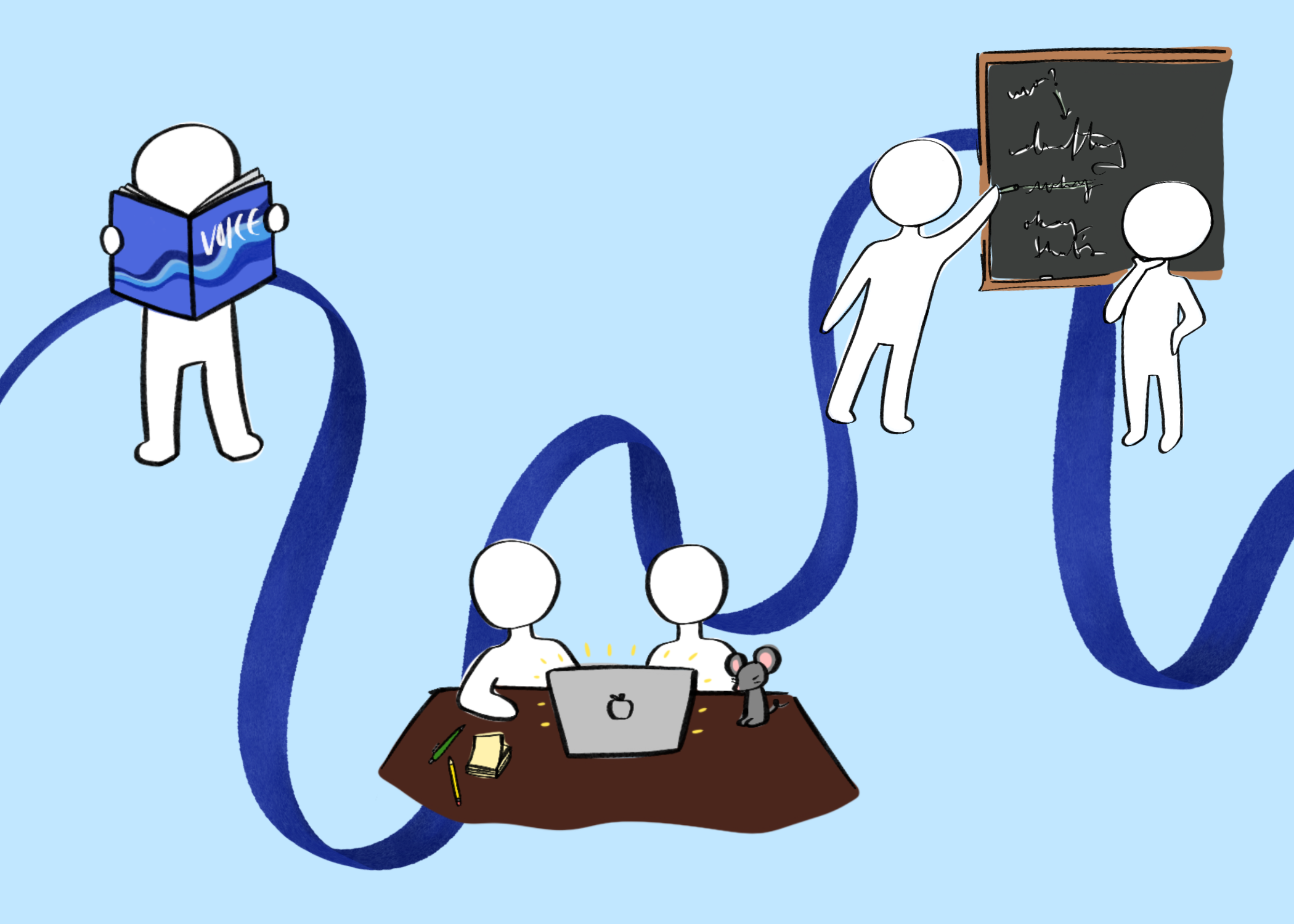
I’ve started, also, to allow these opinions to shake. To let unfinished thoughts be worked out a little in rooms full of other people, and to stay long enough for them to become part of something shared, instead of something I just insisted on.
Guided by the pace of our biweekly print schedule, I’ve often found it hard to let go. I grasp onto my pacing, turn of phrase, theses, and often indefensible takes. Better tendencies persevere—namely late-night voice memos from Opinion Executive Evalyn Lee (CAS ’27) and last-minute passes by Editor-in-Chief Eddy Binford-Ross (SFS ’26)—and pieces develop in spite of my stubbornness. Bylines grow. The envelope full of articles I send home to my parents is reclassified as overweight. Quality increases; quality persists.
Beyond my own 900 to 950-word theses, I’ve learned from others’ pieces too. Evalyn got me hooked on day-old bagel bags. The Editorial Board educated me on pressing issues of university-perpetuated injustice, such as their attempted outsourcing of transportation employees. Hannah Beil (CAS ’28) inspired me to say “I love you” more (and almost buy a $70 sweatshirt). From the confines of our 16-page magazine grow endless possibilities for other connections: what was written in the notes app and early drafts came to inform bagel rankings, understandings of the very university we attend, and how we love and are loved.
As the semester draws to its fateful close, I’m proud to conclude a verbose (and well-edited) semester, and I’m excited to watch the linguistic legacy take hold. I’m confident in our work that comes from and speaks to communities we cover, instead of simply being “laid at the feet of the student body.”
May we continue to write. And may you, whoever you are, keep reading—or start, if you haven’t already.