

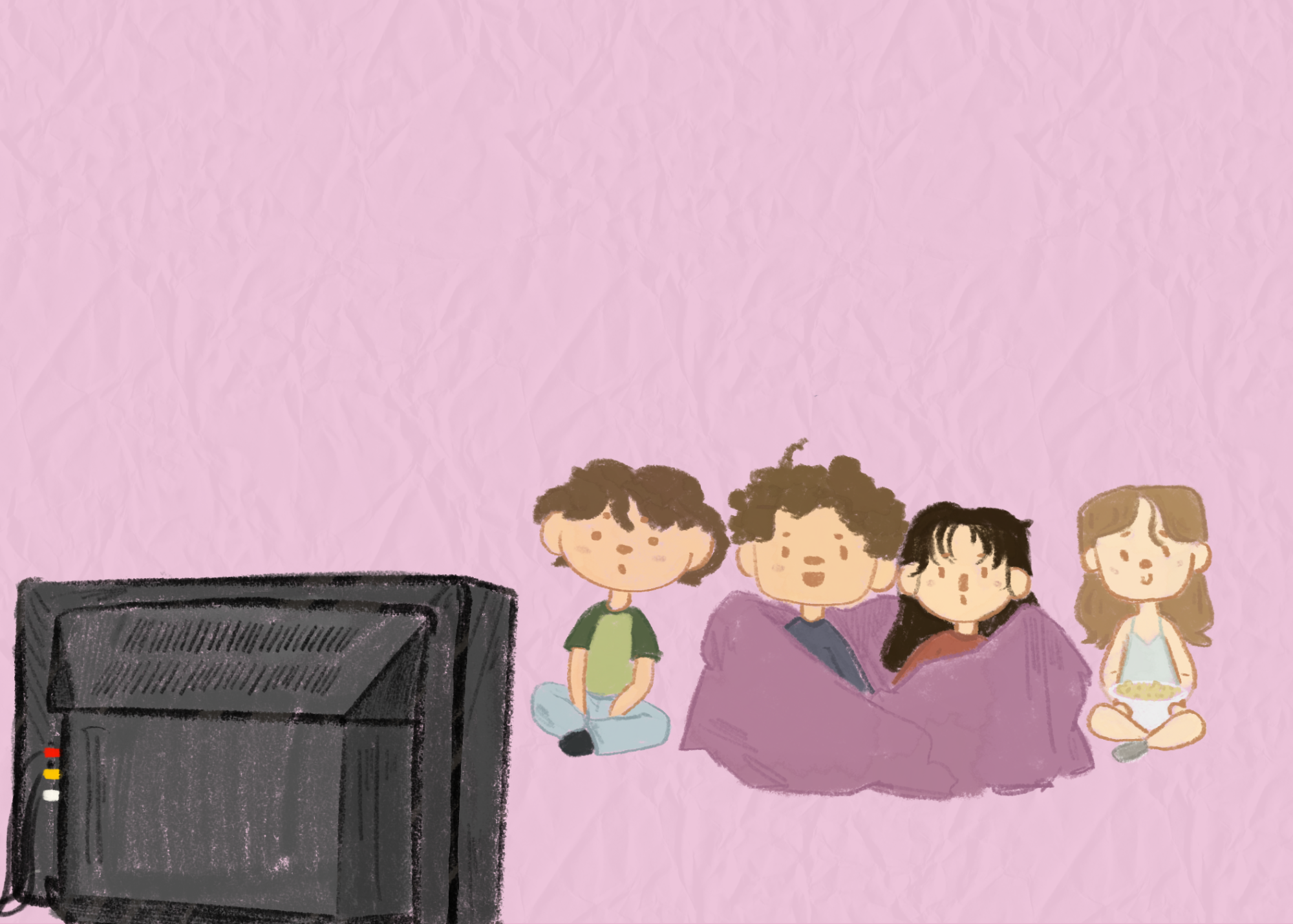
TV used to be something more. It was the campfire around which the family would sit each night. It was the centerpiece of national monoculture. When your show aired on TV, you would watch, as would the family in the apartment above you. And next door. And next door to them. The next day, you’d crowd around the office water cooler and discuss every little detail, getting to the bottom of whether Ross and Rachel were really, truly on a break.
Now, of course, none of this was ever my experience. I grew up in the era of DVR and On-Demand. Shows played because I clicked the remote and summoned whichever episode I wanted, whenever I wanted. Plus, I’ve yet to work in an office with a water cooler. Still, my favorite experiences with TV have always been the ones that bring me closest to what TV used to be. That is, TV has connected with me the most when the episodes are released week by week.
I came to this revelation on Dec. 19, after neglecting studying for my finals in favor of watching Episode 5 of Heated Rivalry (2025-present). As I lay in bed—buzzing from the high of an excellent episode, scrolling through reactions on social media, and urgently texting my friends that they had to start watching—I opened my Notes app and wrote, “We are in an AWESOME time for television because it’s not all coming out at once!! We can talk about it as it comes out!!!!” I wasn’t just thinking about Heated Rivalry in that moment, either. This past winter, every Sunday at 10:00 p.m. I faithfully tuned into the newest episode of I Love LA (2025-present), and the subsequent messy, drama-filled debriefs became the highlight of my week.
It’s the experience I wish I could have had with other shows, like Squid Game (2021-2025), which released each of its seasons in full. I grew up in a family that values a good episode of TV on the couch before bed, so I was excited for the show’s final season to join our rotation last summer. We were juggling a couple of other shows too, and with the occasional busy night that forced us to skip our little routine, it took us about a week and a half to get through all six episodes. Unfortunately for me, I had a major character death spoiled just two days after the season came out. I kept quiet and pretended I didn’t know what was coming so my family could still experience the gut punch in real time, even if I didn’t.
It’s memories like these that make me realize that binge-watching is entirely impractical, despite its convenience. Most busy people do not have multiple straight hours available to devote to a TV show. But a one-hour story bite, slotted neatly into your weekly schedule? That’s more doable. It becomes a little ritual, a welcome reprieve from the hustle and bustle of daily life. You have no fear of your TikTok For You page—no spoilers lurking behind each swipe. You don’t have to cover your ears and sing, “LA LA LA” at the dinner table because your friends binged a whole season and are spilling plot points. There’s just nothing that beats watching an episode the night it drops and knowing you’re on the same page as everyone else.
A show that drops all at once creates an in-group, dividing those who have finished and those who haven’t. Those who have seen the show get to make their jokes, share their edits, and theorize about what’s to come. Everyone else is left shielding their eyes from spoilers and excusing themselves from conversations. And once you finally get around to watching, the culture has moved on.
But a show with a spaced-out release schedule invites community. Each new episode builds a growing wave of interested viewers who join in on the conversation because their timeline won’t stop talking about this character or that twist. It’s a snowball that keeps on rolling until the finale, and by then, two months have passed, sometimes even more. That extended period of collective conversation creates a genuine cultural moment. Think about the release of WandaVision (2021), for example. Watching Wanda’s sitcom fantasy slowly unravel, while complex plot theories ran rampant across social media, was such an exciting time to be a Marvel fan. Or, look at Euphoria (2019-present). Four years later, I still remember sitting at the exercise bikes during gym class in sophomore year of high school and forming friendships through discussions about Cassie’s affair with Nate. That sense of togetherness was only possible because these shows unfolded week by week.
TV is a unique storytelling medium precisely because it stretches over time. While movies offer a brief glimpse into a different world, TV shows are epic sagas and long-running stories that bring people together. It’s about the synchronicity of watching together. Weekly television gives us room to breathe, to talk, and to theorize. It gives showrunners space to build slow momentum, and it gives viewers space to absorb it.
We don’t need shorter content. We don’t need flashier content. We definitely don’t need more content. What we need is time, because time makes room for conversation, and conversation builds community.