


The science fiction/thriller, global phenomenon TV series Stranger Things (2016-2025) has officially ended after almost 10 years of 1980s nostalgia, beloved characters, and, let’s just say, some pretty strange things. And, wow, did it go out with a bang. A painstakingly long, cringeworthy, plot-hole-riddled bang.
When you’ve crafted a beloved series like Stranger Things, expectations are high, as fans across the world tune in for what they hope will be the perfect ending to a show they’ve known and loved for the past 10 years. With the world watching, the Duffer Brothers fumbled. What once was a chilling story of mystery and human drama was reduced to a lazy ’80s adventure movie with a splash of truly stomach-turning, Marvel-esque dialogue.
As I lament the loss of the Stranger Things I once loved, I’ve identified the five deadly sins of its final season—listen up, Duffers.
Pacing
Imagine my surprise when I rushed to the TV on Thanksgiving, popcorn ready and excitement bubbling, only for… nothing to happen. Nearly every episode is over an hour, and barely any of the drawn-out scenes contribute to the already poorly developed overarching plot. I would cite an example here, but I seriously cannot remember a single plot point from the first seven episodes.
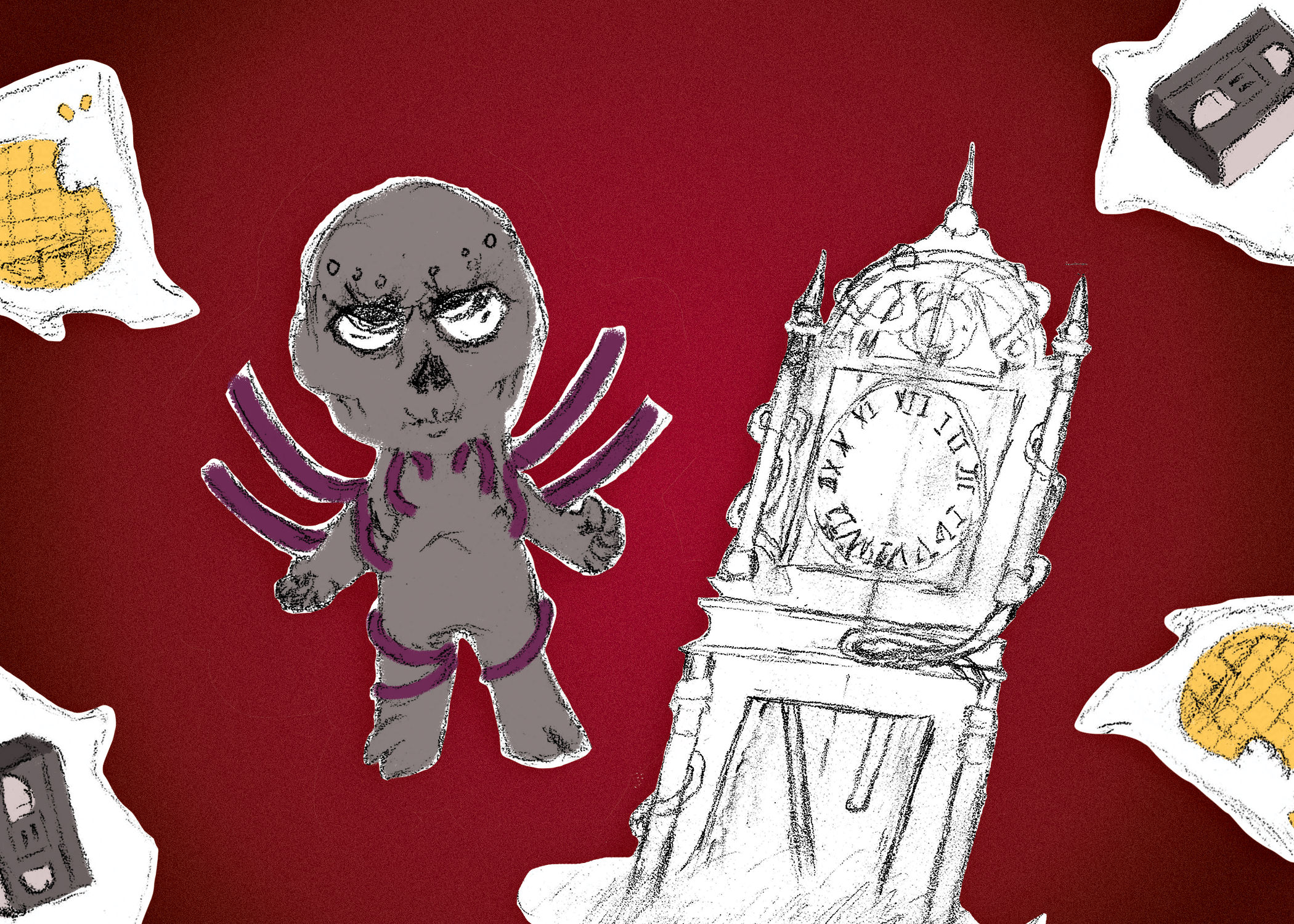
As each episode trudged on, I felt like I could hear Vecna’s clock echoing in my skull while the seconds passed painfully. Only one episode was redeemable—the two-hour finale was fairly thrilling and felt properly paced (with the exceptions of the five-minute final battle and the 40-minute epilogue). Overall, the Duffers would’ve found more success if they had shortened their episodes to normal TV episode length (not mini-movies) and thought a little more critically about how each scene would advance the overarching plot.
Acting
The majority of the actors seem stuck as their 10-year-old selves. While the actors themselves have aged significantly, their characters have the same awkward, childish quirks and behavioral patterns that they had in Season 1.
Despite the four-year time gap, the actors haven’t developed any sort of nuance in their performances to indicate that their characters are growing up, making the high schoolers of Season 5 just larger copies of the original middle schoolers. These performances were once cute, but the characters aren’t 12 anymore. Even the older actors were phoning it in, and their dull performances made every poorly paced second drag longer and longer.
While much of the acting fell awkwardly flat, a few of the cast members stood out as quite remarkable amid their castmates’ blunders. Jamie Campbell Bower, the terrifying Vecna himself, delivered a chilling performance, eliciting both pathos and terror from the audience. Likewise, newcomer Nell Fisher played a convincing Holly, taking on her main character role with confidence.
Dialogue
Completely ditching the air of mystery that elevated Season 1, the Duffers embraced the sci-fi blunder of overexplanation. That beautiful seventh-grade English lesson “show, don’t tell” has been flipped upside down (haha) as the characters bombard the audience with detailed explanations of scientific concepts, painfully thorough plans, and nauseatingly “witty” one-liners. The heavy dialogue leaves no time for the plot to breathe or for the suspense to build. The script was fairly lifeless, coming across as AI-generated slop, or even worse, Marvel movie dialogue.
Inconsistencies
Inconsistencies are to be expected when you create a sci-fi show with such a complex plot, but leaving so many plot holes that you send your fanbase into mass hysteria is ridiculous. The audience trusted that the lingering mysteries throughout the series would all come to light in this final season, yet it seems the audience has a better memory than the Duffers themselves. From Will (Noah Schnapp) inaccurately recounting memories and set pieces changing colors to crucial questions about the Upside Down’s creation remaining unanswered, the final season was an inconsistent mess. If much of your audience entertains delusions that there must be some secret ninth episode to fix the plot holes and tie loose ends together, maybe you should’ve been a little more intentional and detail-oriented when you crafted the final season.
Characterization
If the four aforementioned blunders weren’t enough to condemn Stranger Things 5, the Duffers sealed the deal by completely destroying beloved characters.
Eleven’s (Millie Bobby Brown) background, trauma, and character development were shoved to the side as she became a shallow, almost-robotic character whose only interest was defeating Vecna. Her deep connections with Mike (Finn Wolfhard), Hopper (David Harbour), and the other kids were disregarded until the pivotal moment of her sacrifice. Eleven’s self-sacrifice for the others’ safety was one of the most emotional parts of the season because of its focus on the deep relationships that the series spent a decade building, yet this complexity was only on screen for roughly 10 minutes.
The majority of Season 1’s allure came from its exploration of connections between its lovable characters. There was the strong, brotherly bond between Mike, Will, Dustin (Gaten Matarazzo), and Lucas (Caleb McLaughlin), the budding romance between Joyce (Winona Ryder) and Hopper, and the tumultuous relationships between the members of the Wheeler family. All these compelling dynamics remain untouched in Season 5, resulting in a finale that lacked ultimate emotional fulfillment.
Stranger Things took over the world 10 years ago because of its endearing characters and compelling mystery. As the show gained success, the Duffers sacrificed these core components of their show for a knock-off Avengers money grab. Let Stranger Things 5 be a lesson to future TV show creators—don’t let sloth seize you. Stay true to the ethos of your show, or you’ll bear the weight of a Stranger Things 5-sized sin on your conscience.