


The gaming industry is at an inflection point. Former kingpins of the industry, such as Activision and Ubisoft, have released flop after flop, while newcomers like FromSoftware have usurped their throne in terms of quality.
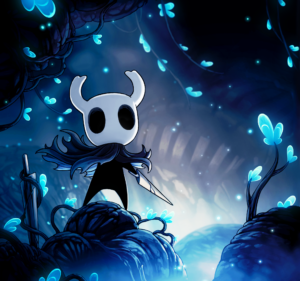
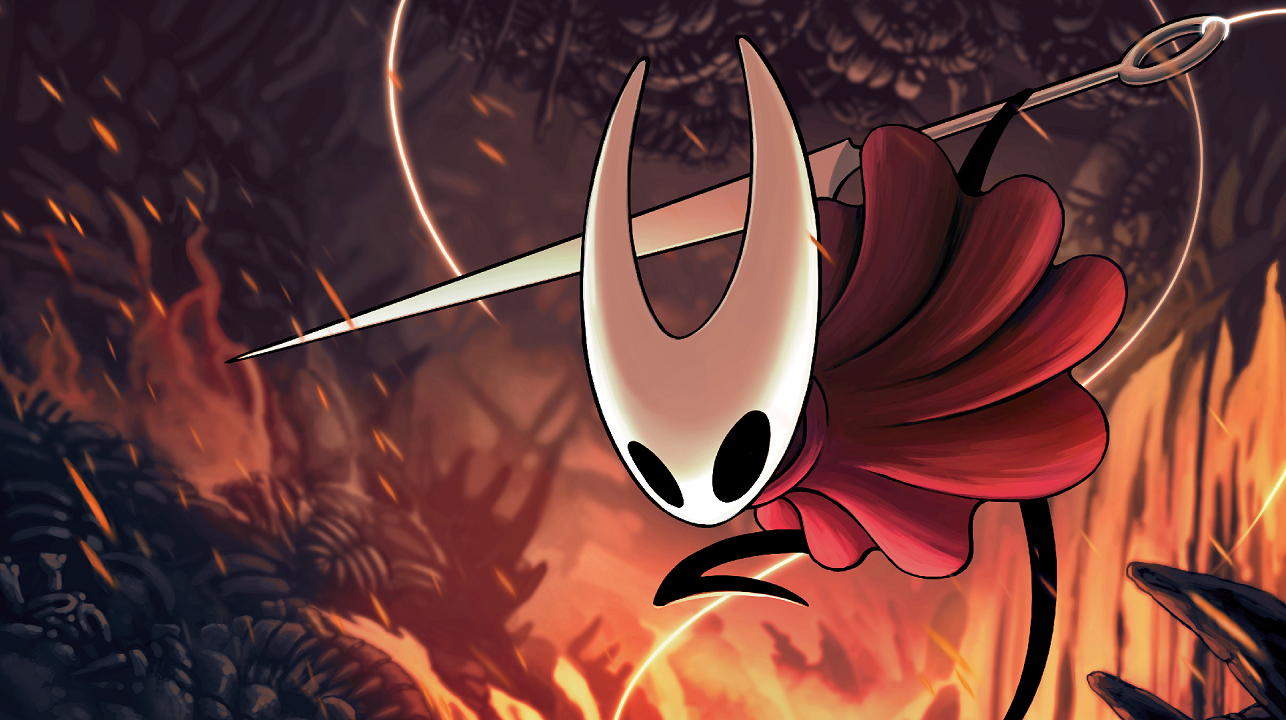
A new game from an indie producer now trumps the scene. This is a game that comes off the heels of one of the most successful indie gaming titles of all time, a game that’s been the talk of the broader community for years, and a game that, at its launch, crashed Steam along with every other major online storefront for gaming. That game is Hollow Knight: Silksong (2025), developed by Team Cherry, and I believe that what it’s currently doing, alongside the influence it will have on the industry, is going to change gaming as we know it.
The gaming scene has long democratized success for smaller developers. Since 2010, titles like Celeste (2018), Undertale (2015), Stardew Valley (2016), and the Risk of Rain franchise (2013-2019) have pushed the envelope of quality indie game development and presentation. While small in scale, these games managed to carve out dedicated fanbases, assert themselves as must-plays in their respective genres, and some have also been recognized at a critical level via nominations at prominent awards shows like The Game Awards.
While all these achievements are monumental, most of these games only picked up steam (unintended pun) after their release. Few players would have realized that they would be playing a new industry classic when they first booted up the game.
Distinct from much of its indie brethren, Hollow Knight: Silksong came in swinging even before its release. When Silksong was announced, it quickly garnered attention, being the rightful heir to the popular Hollow Knight franchise. Hype for this game has been through the roof since it was announced in 2019, and the game’s great success hints at an even more promising future for indie games.
As gaming gains relevance in the entertainment sector, the influence corporate agendas have had on studios and publishers across the industry has grown rapidly. Now, more than ever, video game titles are viewed by companies not as creative outlets or expressions of passion but as vehicles for profit. As a result, many games developed under large corporations demonstrate that companies would rather cut corners than invest time and energy into crafting something unique and creative.
Silksong, however, is a foil to this lazy corporate mentality.
Team Cherry could have cut corners on content, rushed development of their game, and deviated from what they wanted to create to what they thought would sell more, all of which are strategies that many large modern gaming studios have used during development. Despite that possibility, they chose not to. Instead, Team Cherry stuck to their vision, no matter how loud the outside noise was, to release the game, both preserving it as an art form and giving even more incentive for gamers to buy it at launch with such an influx of new content. What came out of it is one of, if not the, most successful indie game launches of all time, that’s already netted Team Cherry $50 million in revenue from Steam sales alone.
Additionally, what helped make Silksong so successful from a developmental standpoint is Team Cherry’s relatively limitless pool of funding earned from the original Hollow Knight sales. In fact, Team Cherry co-founder Ari Gibson told Bloomberg that the creative process behind Silksong was extended due to the sheer number of ideas incorporated into the game.
“I remember at some point I just had to stop sketching,” Gibson said. “Because I went, ‘Everything I’m drawing here has to end up in the game. That’s a cool idea, that’s in. That’s a cool idea, that’s in.’ You realize, ‘If I don’t stop drawing, this is going to take 15 years to finish.’”
Given Silksong’s relative outsider status as an indie game, it can be easy to write its success off as an anomaly. While this may be partially true, Silksong still showcases exactly what teams can do with sufficient resources.
Having more resources should help create an environment where the game itself shines. With the paramount motive being to produce better, more artful games, Hollow Knight: Silksong shows that great quality coincides with great revenue.
The gaming industry has enjoyed stable price increases compared to other industries. Despite inflationary pressures over the course of decades, the prices of Triple-A titles, historically known for high budgets, high-profile franchises, and large development teams, were typically capped at $60. However, this has been disrupted with the ninth generation of consoles bumping up Triple-A prices to $70, and companies like Nintendo opting for $80 price tags for new titles like Mario Kart World (2025).
When price hikes aren’t met with improving quality, most gamers view the new games as cash cows. The result is an outraged community that feels used by the heartless corporations peddling subpar, expensive games.
Unnecessary price hikes are a slap in the face to dedicated consumers.
Silksong feels like a warm hug in comparison. The price for this immensely hyped-up game, which is one of the standout releases of 2025? A modest $20. Instead of selling a copy for nearly quadruple the price and raking in the cash, Team Cherry chose to take the high road. It’s not every day that gamers will appreciate the price of a large release so deeply that they encourage buying over pirating, but Silksong is the rare exception. In a sea of changes that negatively impact the average gamer, Silksong stands apart as a game that prides itself on accessibility.
Here’s hoping that the rest of the gaming industry takes notes.