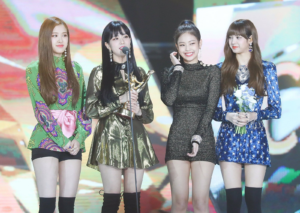


For many Gen Alpha kids, the Korean pop (K-pop) group TWICE may only be known for contributing vocals to the soundtrack of KPop Demon Hunters (2025), which recently won two Oscars. But the band, which celebrated its 10th year in 2025, shows no signs of slowing down as it delivers its fourth world tour in a ferocious display of stamina, vocals, and charisma.
When TWICE announced they were coming to D.C. for the first time ever, my friends and I appointed a brave representative who eagerly waited for hours on the Ticketmaster website, hoping to score us decent seats. For the band, D.C. was just another leg of its fourth world tour, “This is For.” But for me, it was the culmination of eight years of anticipation and fandom frenzy. Yet, I also suspected it might be the moment to say goodbye to my fanfare days.
Before the success of KPop Demon Hunters, major hits like “APT.”, and the adoption of the K-pop model by non-Korean girl groups like Katseye, being a K-pop fan was, at best, a niche interest and, at worst, embarrassing. The only acceptable forms of Asian representation at the time were on the screen, and even then, many portrayed side characters—think Cho Chang from the Harry Potter franchise and London Tipton on The Suite Life of Zack and Cody (2005-2008). It felt like no one wanted to listen to Asian singers, especially if the songs were sung in Korean, even if decorated in glitzy choreography and hooks.
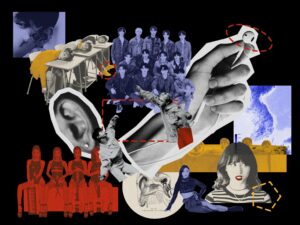
I rarely discussed K-pop at school or with friends, and confined my interest to the digital realm. Subsequently, I grew up on the battlefields of K-pop “stan” Twitter in the late 2010s, witnessing K-pop groups rise and fall amid bullying controversies and poor management.
The K-pop industry is brutal, precarious, and gendered. Korean boy groups often weather membership changes, shifting artistic concepts, and military enlistment, remaining active decades after their debut. However, girl groups often phase out within seven years—the typical length of an initial contract—or less, due to the additional pressure to maintain youthfulness and novelty. For TWICE to remain at the top of its career for its 11th year is an impressive feat, but its long-standing success isn’t by chance.
TWICE’s concept has been striking since its debut. Composed of nine members—five Korean members, three Japanese members, and one member from Taiwan, the group was a trailblazer in opening up the Japanese and global music markets. I got sucked into TWICE because of member Chou Tzuyu, a fellow Taiwanese person, and the first Taiwan-born K-pop idol. Although I’m not Korean, I felt a surge of pride when “locals” (non-K-pop Twitter users) would discover a TWICE song and enjoy it.
It felt as if the broader Asian community rallied in solidarity to celebrate K-Pop’s wide-reaching success.
Yet, I don’t think I’ve been a fan of TWICE for so long just because of its cultural impact. In truth, they were interwoven with every step of my adolescence, especially shaping my journey with mental health. In July of 2019, member Mina Myoi announced a hiatus due to medical concerns related to extreme anxiety. That same year, two prominent K-pop idols, Sulli and Goo Hara, died by suicide, raising concerns about the impact of the K-pop industry on idols’ mental health.
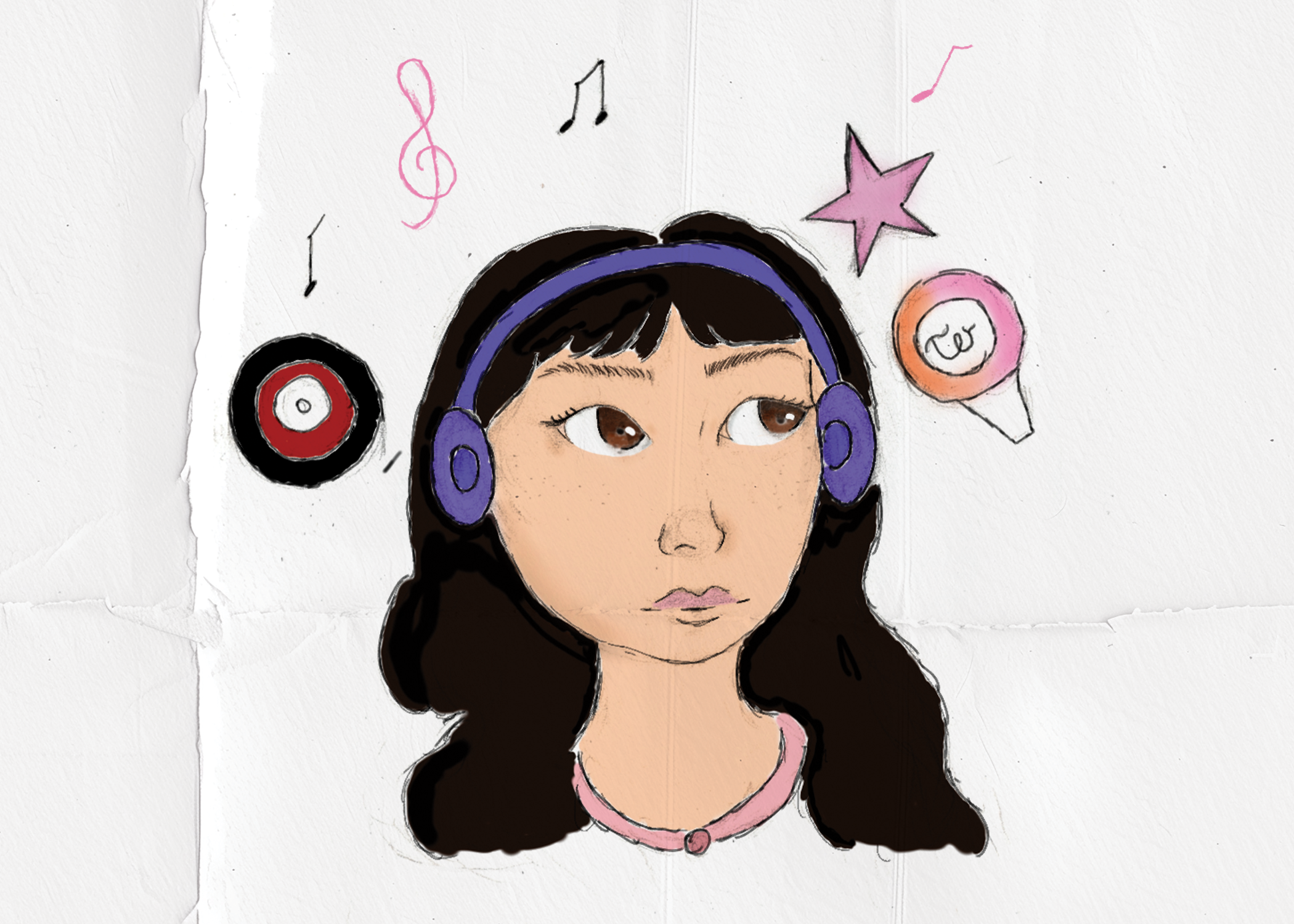
In late 2019, I was diagnosed with anxiety and fell into a destructive slump as academic pressure built and COVID restrictions in Hong Kong, where I lived, emerged. Soon, I was stuck in front of a computer screen for seven hours a day until even the energy to turn on Zoom felt too taxing. My mom would play TWICE’s “Wake Me Up” in the morning to get me out of bed, and she’d encourage me to learn their dances to keep me active. Even my sister, who was a vocal hater of K-pop, learned the names of the nine members and would play Buzzfeed quizzes about the group with me.
Later, when I was looking for a roommate on CHARMS, Georgetown’s internal roommate selection app, I searched for “TWICE” on a whim, and ended up with the roommate that I’m still living with three years later (it’s no secret that our New South dorm was a TWICE shrine).
Myoi’s return to TWICE with a live performance of “Feel Special,” a song with intensely personal lyrics that broke through the traditionally opaque barrier between idol and fans, preceded my own recovery, and made me feel like I could get better. Six years later, those same tears flooded my eyes as I drank in TWICE’s encore of the song at Capital One Arena.
Looking around the arena, I realized the demographic of Onces (TWICE fans) has changed drastically. People of all ages and races crowded the seats. Some looked to be Asian college kids like me who grew up listening to TWICE. Others brought coworkers or friends, appearing to be enjoying a casual night out. Most notably, there were groups of preteens in wigs and full costumes as Rumi, Mira, and Zoey from KPop Demon Hunters.
As I stepped out of the arena, I felt a flush of tiredness rush over me. I had internship applications, midterms coming up the following week, and club commitments to worry about. I love them, but I can’t remember the last time I retweeted about Twice. Walking away, I kissed a grateful goodbye to the group that stayed with me over many idle and anxiety-ridden nights. I caught a glimpse of a group of children next to me, unashamedly singing and dancing to the song “Strategy,” and I thought to myself, ‘we’ll be just fine.’